


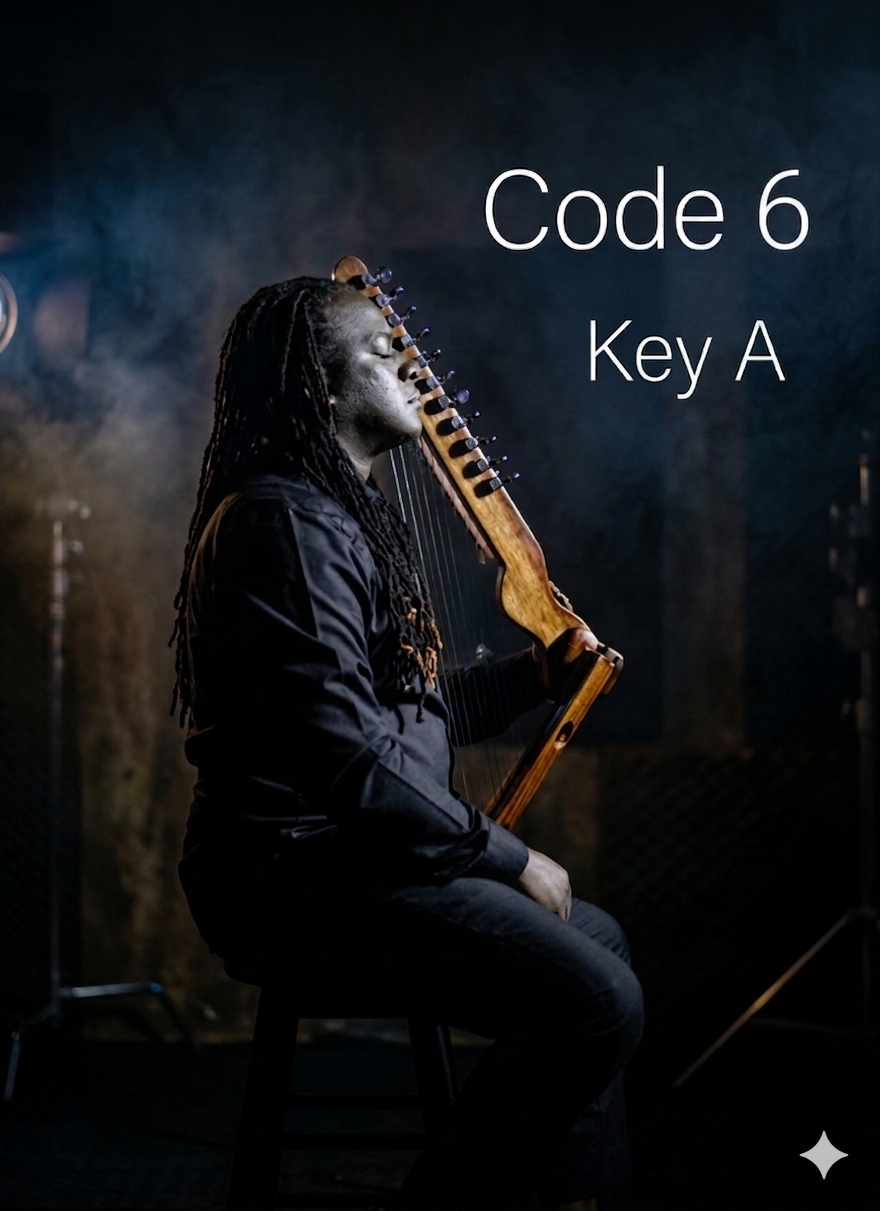
Janzi Tutorial | Chord 6 in Key A (Beginner Lesson)
This lesson focuses on finger dexterity and understanding the "sad but sweet" relationship between the Major and Minor scales. F#m Finger Mapping: A clear guide on how to locate and pluck the F#, A, and C# strings across the Janzi’s unique double-neck structure. The Relative Minor Connection: Learn why Chord 6 feels so "at home" in the Key of A and how it acts as a darker shadow to your Chord 1. The 1–6 Transition: Practice the subtle finger shifts required to move from A Major to F# minor—a movement used in countless ballads and cultural anthems. Sustained Vibrato: Tips on how to let the lower F# string resonate to create a rich, cinematic atmosphere. Why Chord 6 is a Fan Favorite Adding Chord 6 to your vocabulary transforms your playing from "basic" to "expressive." It allows you to: Play Modern Ballads: Many contemporary Afro-soul and pop songs rely on the movement between Chords 1, 4, 5, and 6. Evoke Emotion: Use the minor tonality of the F#m to tell stories of reflection, heritage, or longing. Vamp with Ease: Chord 6 is the perfect "resting point" if you want to improvise a melody without returning immediately to the root. Practice Tips for Beginners Listen for the Root: The F# is the lowest note in this triad. Ensure you are plucking it with enough thumb pressure to provide a strong "bass" foundation for the chord. The "Happy-Sad" Exercise: Alternate between Chord 1 (A) and Chord 6 (F#m). Notice how the mood changes even though you are only moving a couple of fingers. This helps develop your "musical ear." Level: Beginner Instrument: Janzi (22 Strings) Objective: Mastering the F# minor chord and using the Relative Minor to add emotional depth to Key A progressions.
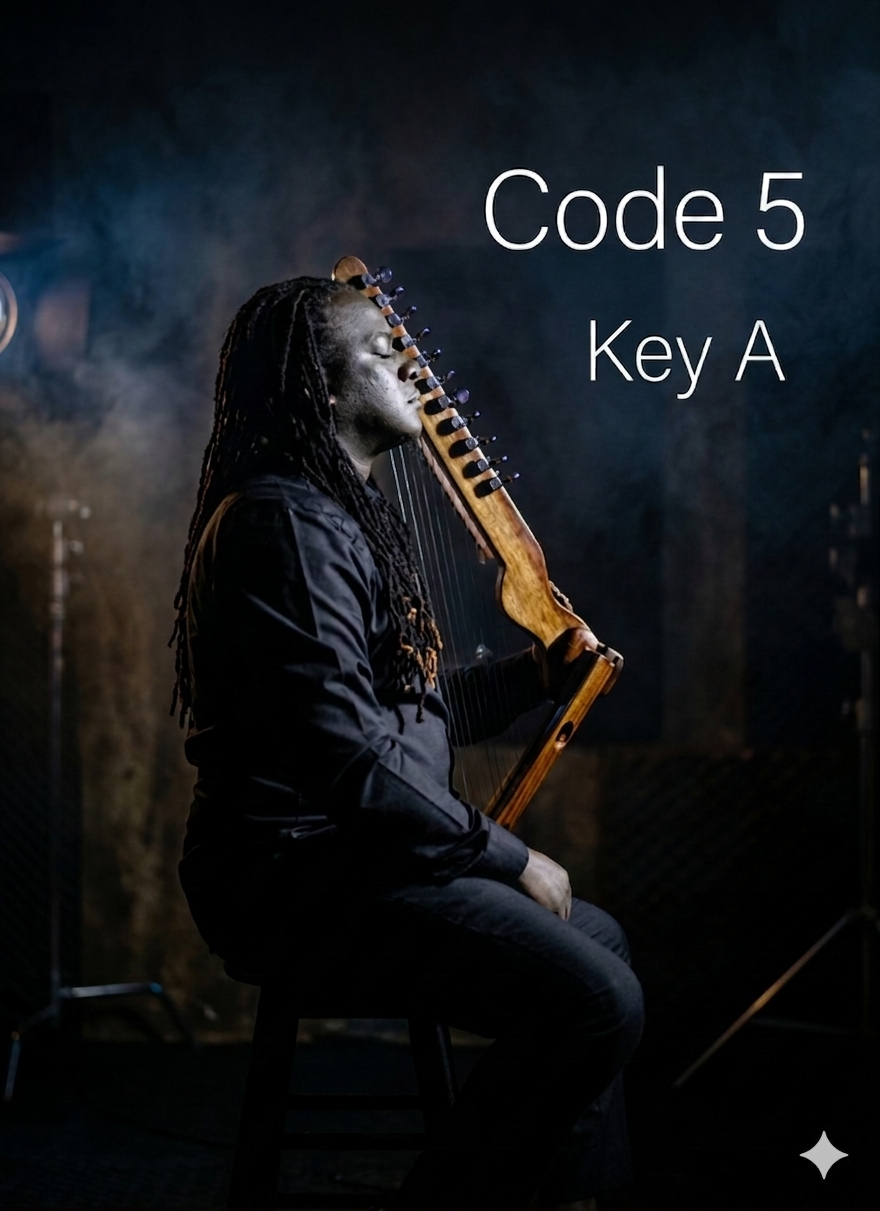
Janzi Tutorial | Chord 5 in Key A (Beginner Lesson)
This tutorial focuses on the precision required to handle the dominant sound and completing the foundational chord "triangle." Finger Layout for E Major: Identify the E, G#, and B strings on the Janzi’s dual necks to produce a crisp E Major triad. The Dominant Pull: Understand the "unresolved" feel of Chord 5 and how to use it to lead back into the tonic (Chord 1). The 1-4-5 Progression: Learn the "Golden Rule" of music. We will practice combining the chords you’ve learned so far (A, D, and E) into a complete musical loop. Strumming & Plucking Dynamics: Tips on how to pluck Chord 5 with slightly more emphasis to highlight the tension it brings to a song. Why Chord 5 is Essential Mastering the 5th chord is the "key to the kingdom" for any Janzi player. With it, you can: Play Full Songs: Most traditional and modern songs are built entirely on the 1, 4, and 5 chords. Create Finality: Learn how to use Chord 5 to signal the end of a musical phrase or the conclusion of a song. Enhance Vocals: Chord 5 provides the perfect harmonic backdrop for vocalists to reach those high, climactic notes. Practice Tips for Beginners The 5 to 1 Resolution: Spend extra time practicing the jump from E Major back to A Major. This is the most common resolution in music, and getting it smooth will make your playing sound instantly professional. Focus on the B String: Ensure the B string (the 5th of the chord) is ringing clearly. It is often the "brightest" part of this chord and gives it that signature dominant energy. Level: Beginner Instrument: Janzi (22 Strings) Objective: Mastering the E Major chord and completing the 1-4-5 harmonic circle.

Janzi Tutorial | Chord 4 in Key A (Beginner Lesson)
This tutorial focuses on achieving a powerful, open sound and mastering the most common chord change in popular music. Finger Mapping for D Major: Learn exactly where to place your fingers on the left and right necks to find the D, F#, and A strings. The Power of the 4th: Understand the "bright" and "open" character of Chord 4 and how it complements the root key of A. Thumb-Index Coordination: Special drills to ensure your right and left hands are perfectly synchronized when plucking the higher-register strings. The 1-4-1 Loop: A rhythmic exercise designed to help you bounce between the A Major and D Major chords, a staple of countless Ugandan folk and Afro-pop hits. Why Chord 4 is a Game Changer Once you master Chord 4, you have officially learned the two most important chords in the scale. This allows you to: Play Thousands of Songs: The transition between Chords 1 and 4 is the foundation of many traditional songs and modern radio hits. Create "Movement": Use Chord 4 to move the energy of your playing away from the "home" feel of Chord 1. Prepare for the V-I Cadence: Setting the stage for Chord 5 (E Major) to complete the classic 1-4-5 progression. Practice Tips for Beginners Check the Resonance: Since Chord 4 uses some of the longer strings on the Janzi, they tend to vibrate longer. Practice "muting" the strings slightly with the side of your hand if the sound becomes too muddy. The Thumb Anchor: Keep your thumb anchored near the bridge for stability. This helps you find the D string quickly without having to look down at your hands. Level: Beginner Instrument: Janzi (22 Strings) Objective: Fluency in playing the D Major chord and mastering the 1–4 transition.
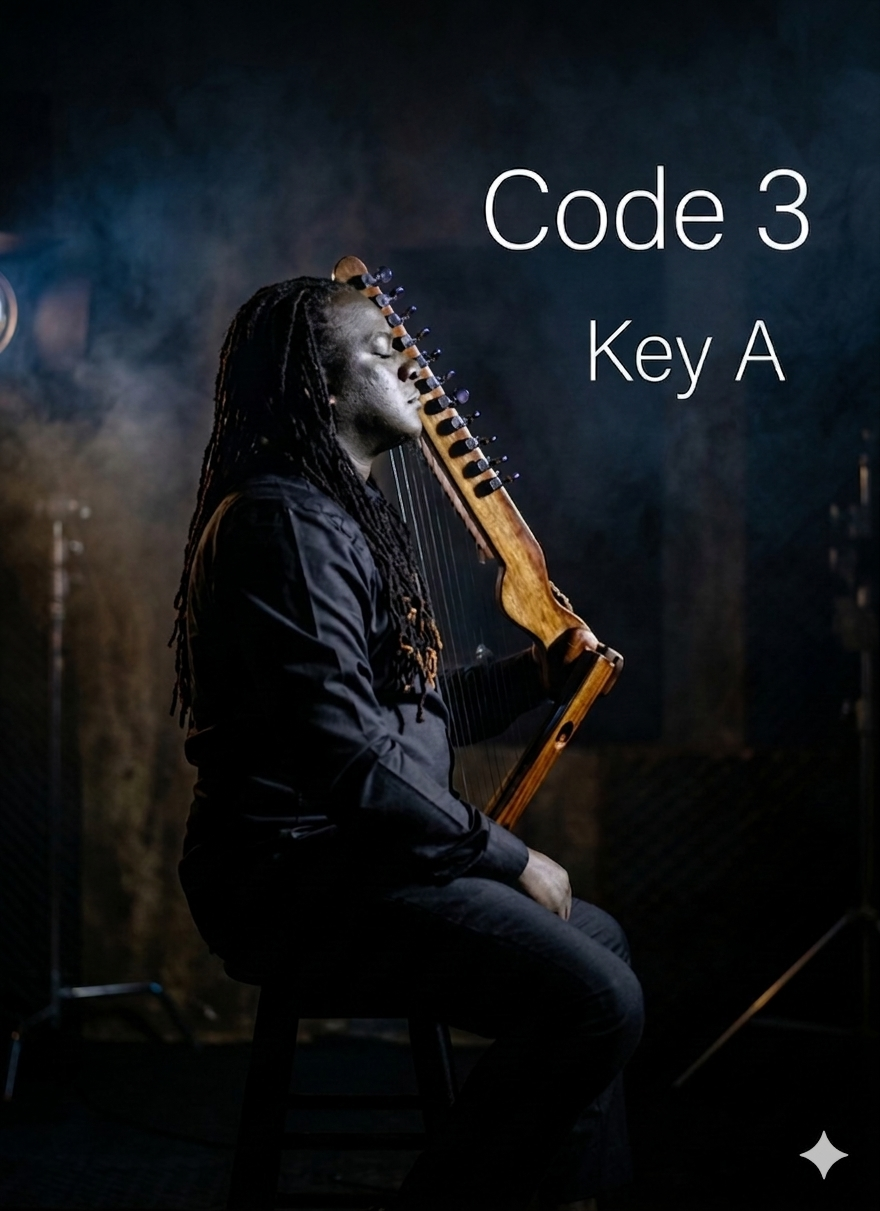
Janzi Tutorial | Chord 3 in Key A (Beginner Lesson)
This lesson is designed to help you navigate the mid-range of the Janzi with precision and tonal balance. Finger Positioning: Step-by-step mapping of the C#, E, and G# strings across the Janzi’s unique dual-scale layout. The Mediant Texture: Understanding how Chord 3 adds a "dreamy" or "pensive" quality to your progressions. Interval Awareness: Learning the distance between Chord 1 (A) and Chord 3 (C#m) to improve your internal sense of melody. Arpeggio Practice: A specific exercise to pluck the notes of Chord 3 individually, ensuring every string is vibrating freely. Why Chord 3 is Essential While Chords 1, 4, and 5 are the "workhorses" of African folk and pop, Chord 3 is the "secret sauce" that: Adds Sophistication: Makes simple progressions sound more professional and modern. Harmonic Variety: Provides an alternative minor sound to Chord 2 (Bm), offering a higher, brighter minor resonance. Songwriting Versatility: Is frequently used in contemporary Ugandan music and soul-infused Janzi compositions. Practice Tips for Beginners Focus on the G#: The third note in this chord (the G#) can sometimes be tricky to reach. Practice stretching your thumb slightly further while keeping your palm relaxed to avoid tension. The 1-3 Move: Practice moving directly from Chord 1 to Chord 3. This jump requires more accuracy than the 1-2 move, making it an excellent drill for building spatial awareness on the strings. Level: Beginner Instrument: Janzi (22 Strings) Objective: Accurate execution of the C# minor chord and integration into Key A progressions.
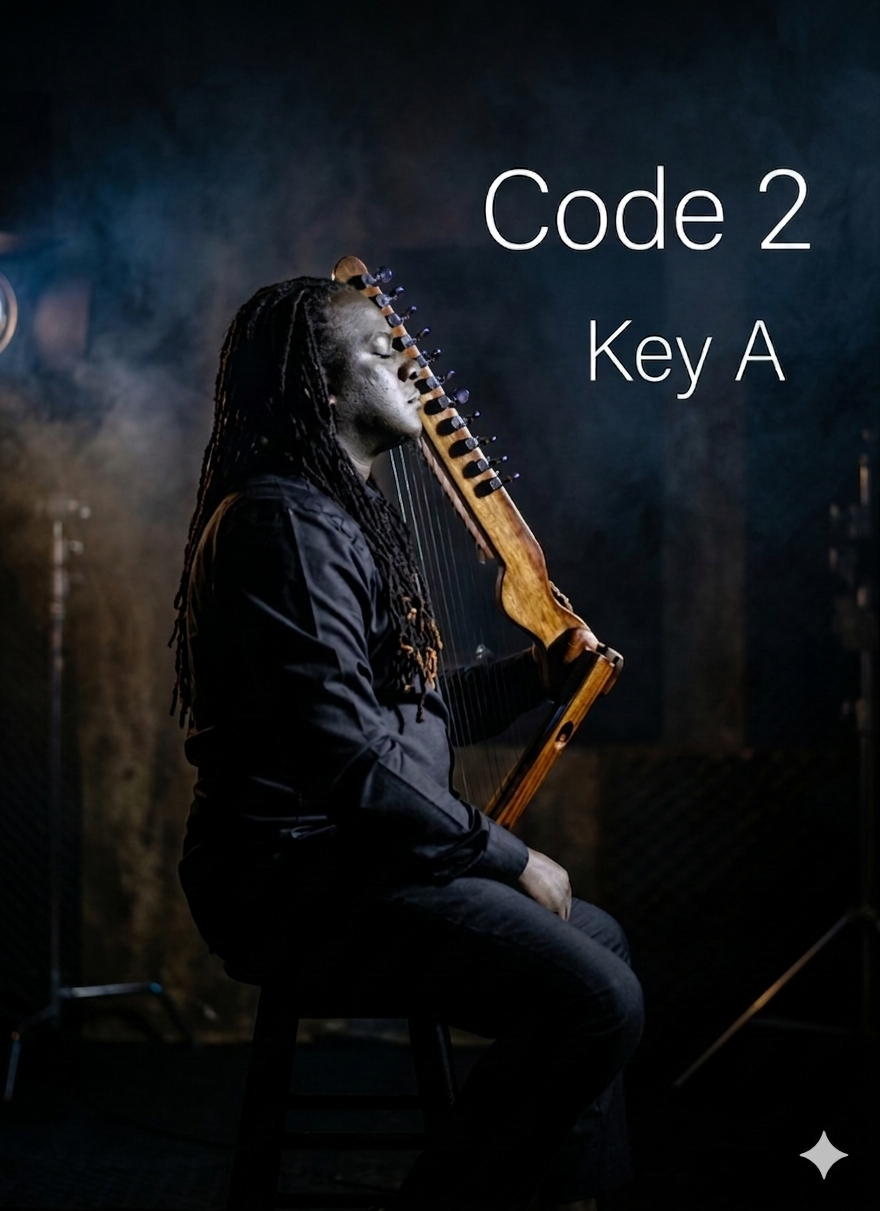
Janzi Tutorial | Chord 2 in Key A (Beginner Lesson)
This lesson focuses on the transition from Chord 1 to Chord 2, ensuring your finger movements remain fluid and efficient. Finger Mapping: Learn the specific string combinations on the dual necks of the Janzi required to form a clean B minor triad. The Supertonic Sound: Discover the unique role of the "second" chord in creating tension that naturally pulls back toward the root. Damping and Sustain: Techniques for controlling the Janzi's sustain so that the minor notes ring out clearly without blurring into previous chords. The 1-2 Transition: Practical drills to help you switch between Chord 1 (A) and Chord 2 (Bm) without losing the rhythm. Why Chord 2 Matters While many beginner songs rely on the 1, 4, and 5 chords, adding Chord 2 allows you to: Broaden Your Repertoire: Play more complex folk and contemporary arrangements. Emotional Range: Introduce a "melancholic" or "reflective" atmosphere into your melodies. Intermediate Preparation: Prepare your hands for the more advanced stretches required in higher-numbered chords. Practice Tips for Beginners Mind the Gap: Because the Janzi has two separate necks, Chord 2 often requires a specific leap for one hand. Practice this "leap" in isolation until it feels natural. Check Your Tuning: Minor chords are sensitive; ensure your strings are perfectly tuned to B, D, and F# to get that hauntingly beautiful Bm sound. Level: Beginner Instrument: Janzi (22 Strings) Objective: Mastering the B minor chord and fluidly transitioning from the root key.
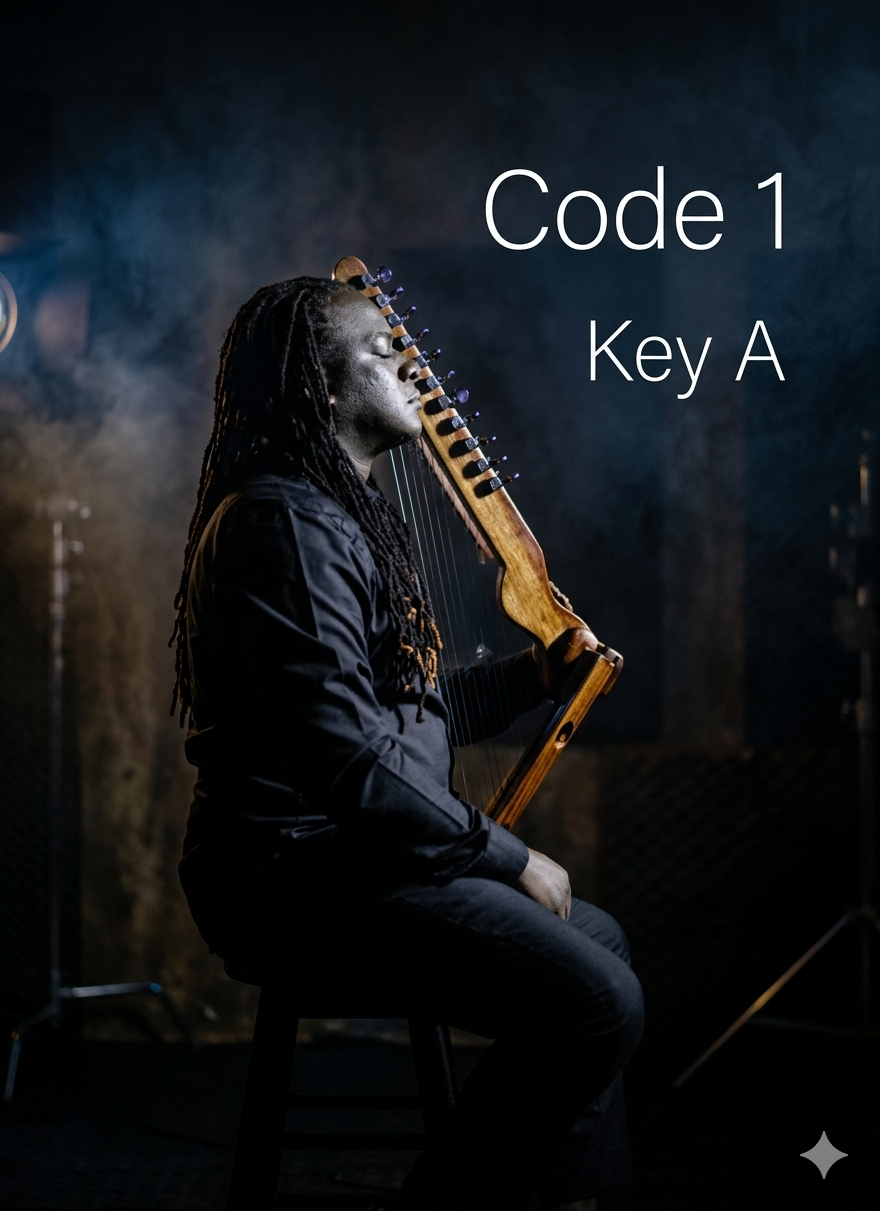
Janzi Tutorial | Chord 1 in Key A (Beginner Lesson)
This lesson breaks down the technical and musical components required to produce a clean, resonant tone. Finger Placement: Detailed guidance on which strings to pluck on both the left and right neck of the Janzi to form the A Major triad. The Tonic Sound: Understanding the "root" feel of Chord 1 and why it serves as the anchor for most songs in this key. Plucking Technique: Tips on using the pads of your thumbs and fingers to achieve the distinct, harp-like clarity the Janzi is known for. Rhythmic Foundations: A simple 4/4 exercise to help you internalize the timing of the chord. Why Start with Key A? The Key of A is often favored by Janzi players for its bright, uplifting resonance. By mastering Chord 1, you unlock the ability to: Identify the "Home Key" by ear. Transition smoothly to Chord 4 (D) and Chord 5 (E). Accompany basic folk songs and worship melodies. Practice Tips for Beginners Start Slow: Focus on the clarity of each string before trying to play quickly. If you hear a "buzz," check that your fingers are clear of the adjacent strings. Consistency: Spend at least 10 minutes a day on this single chord to build the muscle memory needed for more complex transitions later in the series. Level: Beginner Instrument: Janzi (22 Strings) Objective: Accurate finger placement and resonance for the A Major Chord.