


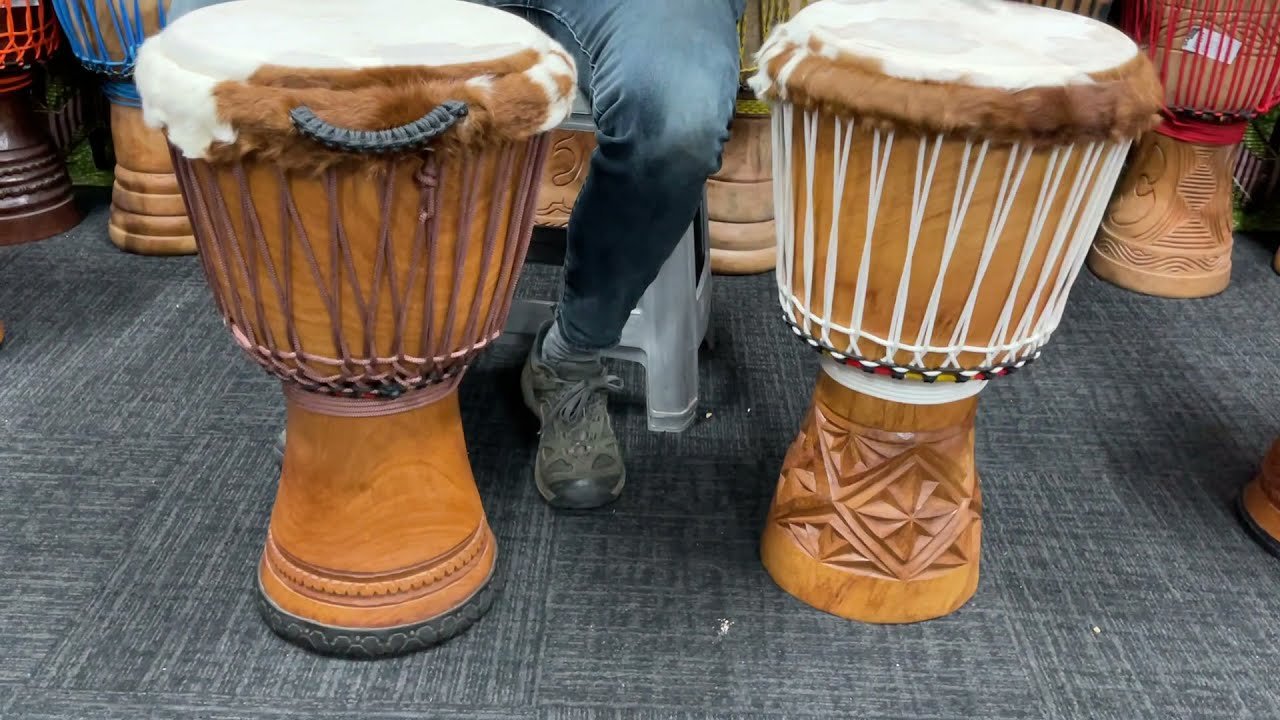
The creation of namadu drums
Ssewa Ssewa’s involvement with the Namadu drums (often referred to as Namaddu) is a core part of his identity as a "cultural practitioner." While the Janzi is his modern invention, the Namadu drums represent his deep connection to the traditional rhythmic soul of the Baganda people.

The making and introduction on Janzi
The idea for the Janzi began in 2014 with a moment of frustration. While traveling through Copenhagen Airport, a security officer flagged Ssewa Ssewa's adungu (a traditional arched harp) because of the large metal nails used as tuning pegs. They were considered a security threat and were nearly confiscated.
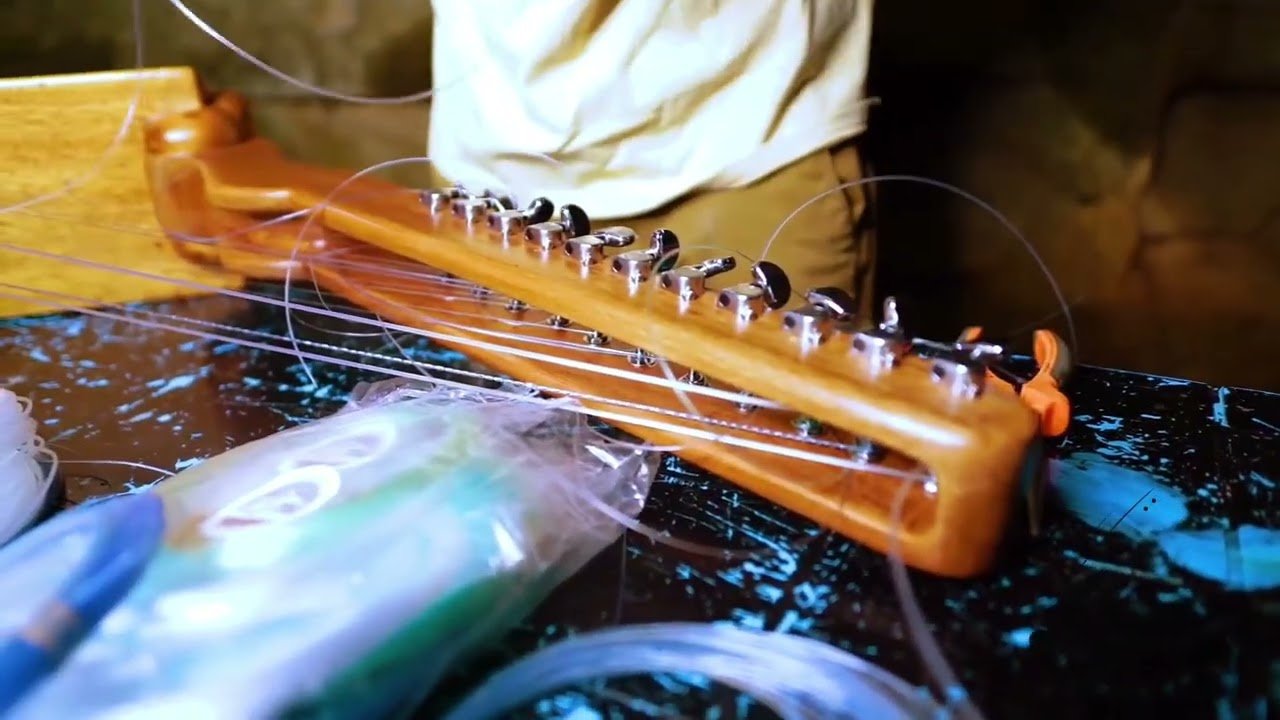
How to develop Janzi from scratch
Unlike traditional Ugandan harps that typically feature a single neck and a set of strings in a single plane, the Janzi is a double-neck harp. The Necks: It consists of two symmetrical necks carved from sturdy wood. String Layout: It features 22 strings (11 on each side). This dual-scale system allows for a much wider range of notes and the ability to play complex harmonies that are difficult on a standard single-neck harp. The Sound Box: The base is a hollowed-out wooden resonator, traditionally covered with animal hide (often cow or goat skin) to amplify the vibration of the strings.
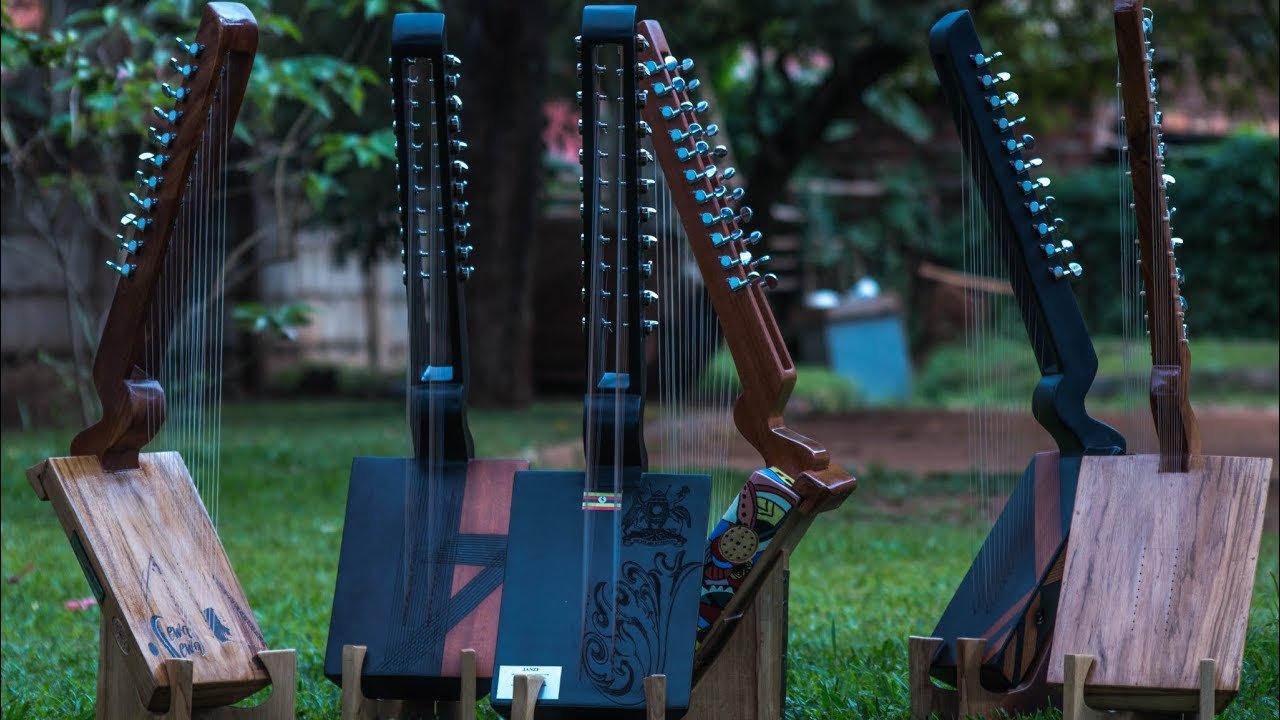
The making of the Janzi instrument
The Janzi is a unique, modern string instrument from Uganda, famously invented by musician James Ssewakiryanga (of the Janzi Band). It represents a significant evolution of traditional African harps like the Adungu, designed to bridge the gap between indigenous sounds and Western chromatic scales.